Cancer Doesn’t End When Treatment Stops
For many people, finishing cancer treatment is supposed to feel like the end of the battle. The surgeries are over. The chemo is done. The appointments start to slow down. From the outside, it can look as if life is finally going to return to normal.
But for many survivors, that isn’t what happens at all.
The physical crisis may pass, but the emotional and mental effects linger. Fear doesn’t always disappear. Neither does sadness. Neither does the sense that something inside you has changed.
That’s why Gavers Community Cancer Foundation has spent years talking about something too few people discuss: the PTSD effects of cancer diagnosis and treatment.
A Trauma We Don’t Talk About Enough
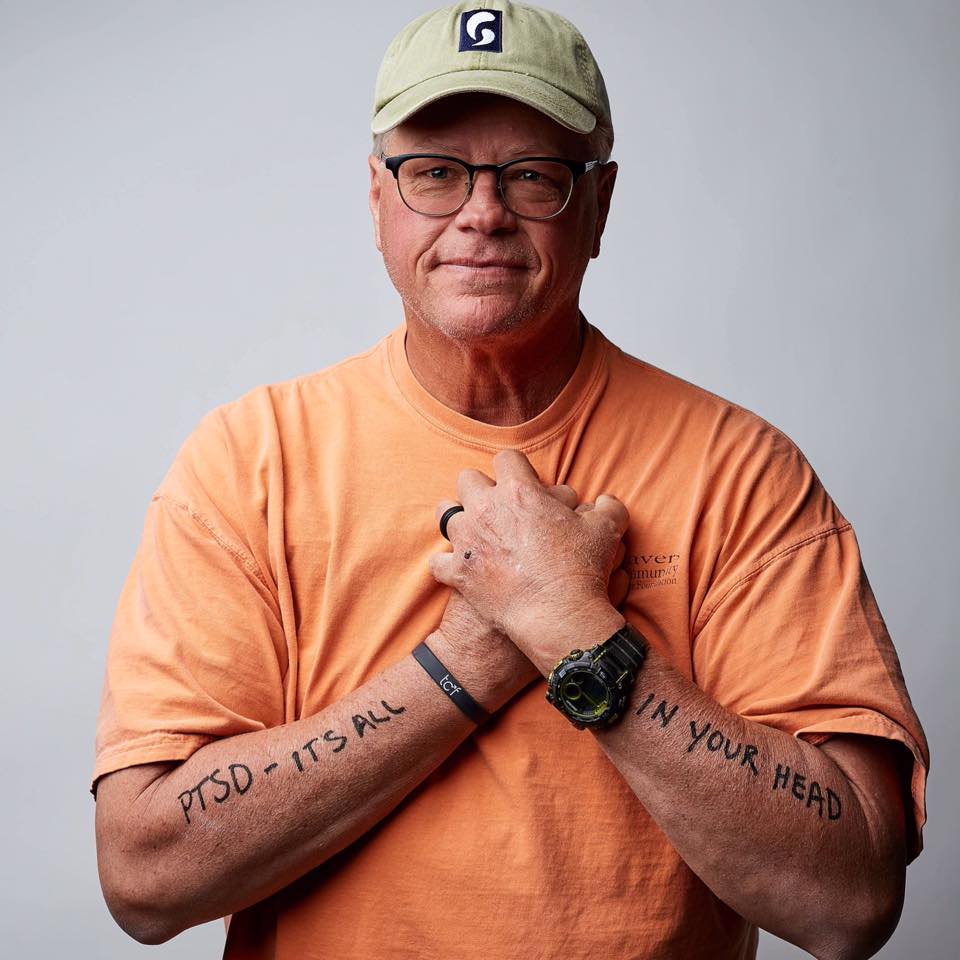
For too long, PTSD has been misunderstood. Many people hear the term and think only of military combat. But PTSD stands for post-traumatic stress disorder. At its core, it’s connected to trauma. And cancer is, without question, traumatic.
A cancer diagnosis can turn a person’s world upside down in a single moment. It can bring fear, uncertainty, invasive treatments, repeated surgeries, physical pain, financial stress, and the exhausting emotional weight of never knowing what comes next.
As founder Steve Gavers has said for years, no one talks enough about how PTSD relates to cancer. But if a person has gone through a traumatic situation, the effects are real, whether other people recognize them or not. The question isn’t always whether it exists. The question is how deeply it affects each individual person.
The Effect Is Different for Everyone
Not everyone experiences the aftermath of cancer in the same way. Some people may carry a smaller percentage of fear, anxiety, or emotional disruption and find ways to keep moving forward. Others may struggle with a much heavier burden — one that affects their sleep, their relationships, their decision-making, and their sense of hope.
As Steve explains it, “It’s all about the percentage that you have that you can control.”
That’s an important insight.
Some survivors are able to manage the emotional residue of cancer without letting it define them. Others may feel trapped by it. Both experiences are real. Both deserve compassion. And both remind us that survivorship is not just a medical issue. It’s a mental and emotional one, too.
Why This Matters So Much
When people don’t understand the connection between cancer and trauma, they can miss the warning signs in themselves or others. A survivor may look fine on the outside while quietly battling fear, emptiness, sadness, or emotional exhaustion. They may feel pressure to “move on” because treatment is over. They may believe they should be grateful just to be alive.
Unfortunately, they may not have words for what they are feeling.
That silence can be dangerous.
At Gavers Community Cancer Foundation, the goal isn’t just to respond when someone is already in crisis. The goal is to find people before things spiral out of control. To hear what is lying underneath the surface. To recognize when someone needs direction, support, encouragement, or simply someone who understands.
That kind of intervention matters.
Hope Is Part of Healing
Steve Gavers has spent two decades talking about this issue because he has lived it. He knows that surviving cancer is not always the same thing as healing from it.
He also knows something else: hope matters.
“If we can give any direction to cancer survivors,” Steve says, “maybe it’s hope.”
That may sound simple, but it’s no small thing. In fact, it may be one of the most important forms of support a person can receive. When someone is carrying the hidden effects of trauma, hope can be the first step back toward stability. A single conversation can remind them that what they are feeling is real — and that they aren’t weak for feeling it.
That’s why the work of Gavers Community Cancer Foundation matters so deeply. Without it, Steve says, “there would be more sadness and emptiness in the world.”
The Happy Stories Keep Us Going
This work is heavy, but it’s also deeply meaningful. Joy comes when Steve and the board hear the happy stories. The stories of people who found support. The stories of people who were seen, heard, encouraged, and helped through one of the hardest seasons of their lives.
Those are the stories that keep us going.
Because behind every conversation about trauma, PTSD, and mental health is a bigger mission: helping people make it through with dignity, grace, and hope.
And that may be the most important thought of all.
Cancer care cannot stop at the body. It has to make room for the mind, the heart, and the invisible wounds people carry long after treatment ends.
That understanding isn’t extra. It’s essential.
If you believe no one should face the emotional aftermath of cancer alone, support Gavers Community Cancer Foundation. Your gift helps bring compassion, direction, and hope to people navigating one of life’s hardest battles.